
Katie Pearson is a Project Manager at U.S. Engineering Construction.
Construction
Thought Leadership
The Most Successful Teams Don’t React to Information. They Control It.
May 13, 2026
Katie Pearson

We recently explored how design-assist supports teams when a project’s direction completely changes, but not every project challenge is that visible. In many cases, the designed system stays the same, but the information around it evolves as a project develops. RFIs come in. Details are clarified. Drawings continue to be refined. New scope is introduced. That’s normal.
The teams that navigate these projects most successfully aren’t the ones that avoid change. They’re the ones that create clear systems for managing information as it evolves. And that’s where a design-assist approach can be valuable.
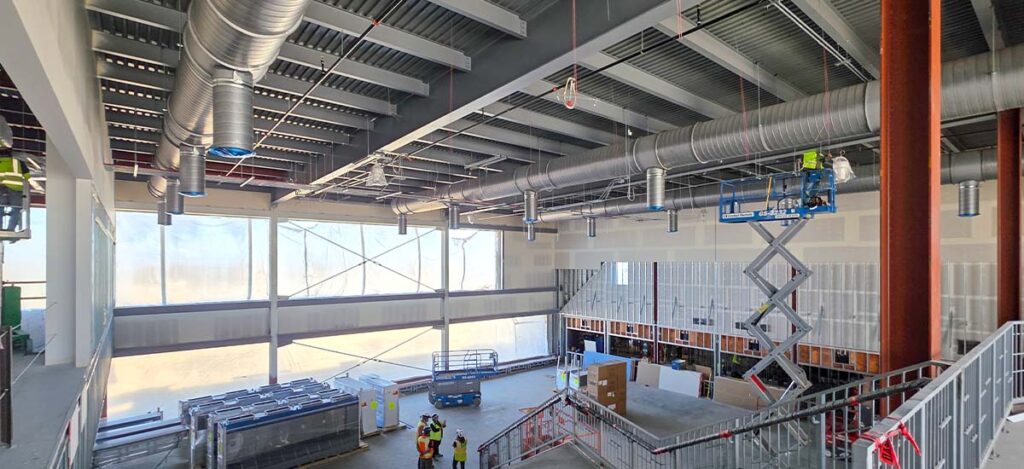
At Rocky Vista High School, a new build for the 27J School District in Brighton, Colorado, U.S. Engineering Construction was brought on early as a design-assist partner. By the time installation began, the project had reached final design, but even with finalized drawings, the model and supporting details were still being updated.
This situation isn’t unusual. On complex projects, “100% Design” is often treated as a finish line, but in practice, it can be closer to a transition point. The system may be defined, but the level of detail teams rely on—coordination, model development, and field-ready drawings—can still be evolving.
The most effective teams recognize that reality early and build processes that keep everyone working from the same source of truth.
Why Design-Assist Doesn’t End at Final Design
One of the biggest misconceptions about design-assist is that its value ends once drawings reach final design. In reality, that’s often when execution-focused coordination becomes even more important. One group may move forward based on a conversation. Another waits for formal direction. Someone else reacts to the latest drawing set.
Over time, those small differences can create confusion, rework, and delays, not because something went wrong, but because teams need a clearer way to define what is ready to build.
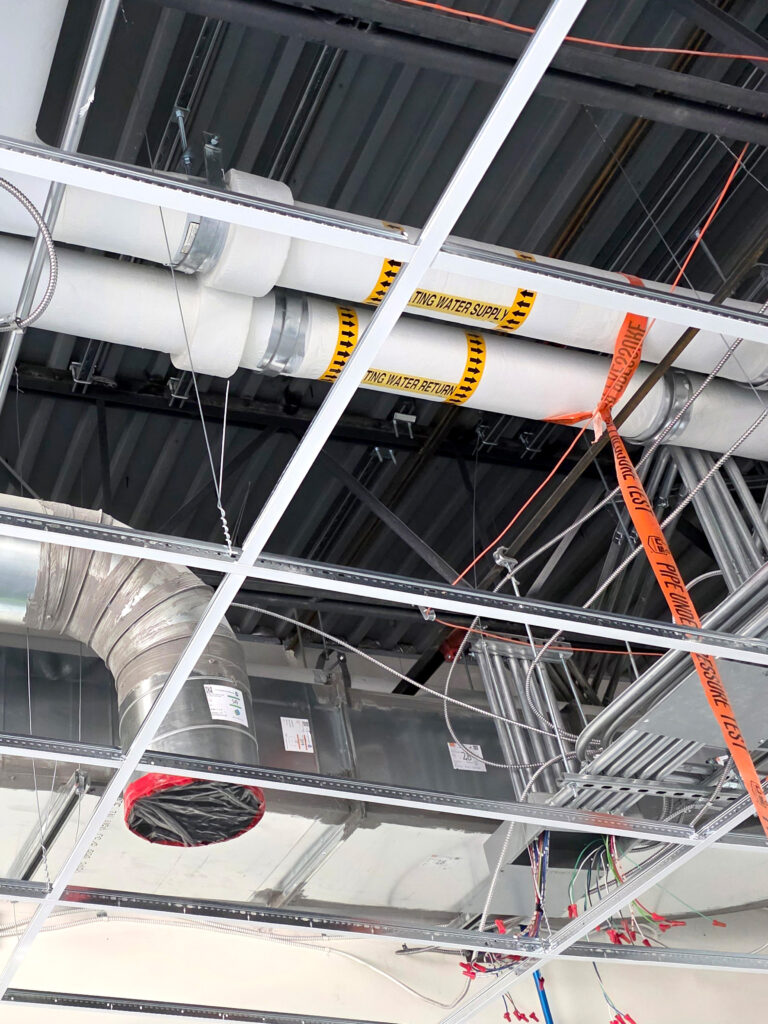
That was a challenge at Rocky Vista High School. The project had reached final design before installation began, but the model and supporting drawings were still being built out, and updates continued as coordination progressed. Rather than redesigning the system, the opportunity was creating a clear process for managing evolving information, so execution could continue without losing momentum.
Design-Assist Creates Clarity Around What’s Ready to Build
On projects where information continues to evolve, design-assist helps teams create a shared understanding of what information is actionable. That means separating incoming updates from approved direction. On Rocky Vista, the team maintained a controlled set of drawings based only on approved changes, whether that meant priced work, a notice to proceed, or confirmed direction. That set became the working reference across both office and field teams.
Without that structure, teams can spend valuable time reacting to information instead of working from it. That same approach carried through on later scope additions as well. When fieldhouse void form plumbing was introduced, the challenge became understanding the installation process and setting realistic expectations across trades. Aligning early on how that work would be executed helped keep the team coordinated even as new scope was introduced.
Design-Assist Works Best When the Field Stays Connected
Design-assist only works when coordination decisions make their way beyond preconstruction meetings and into field execution. It must reach the field.
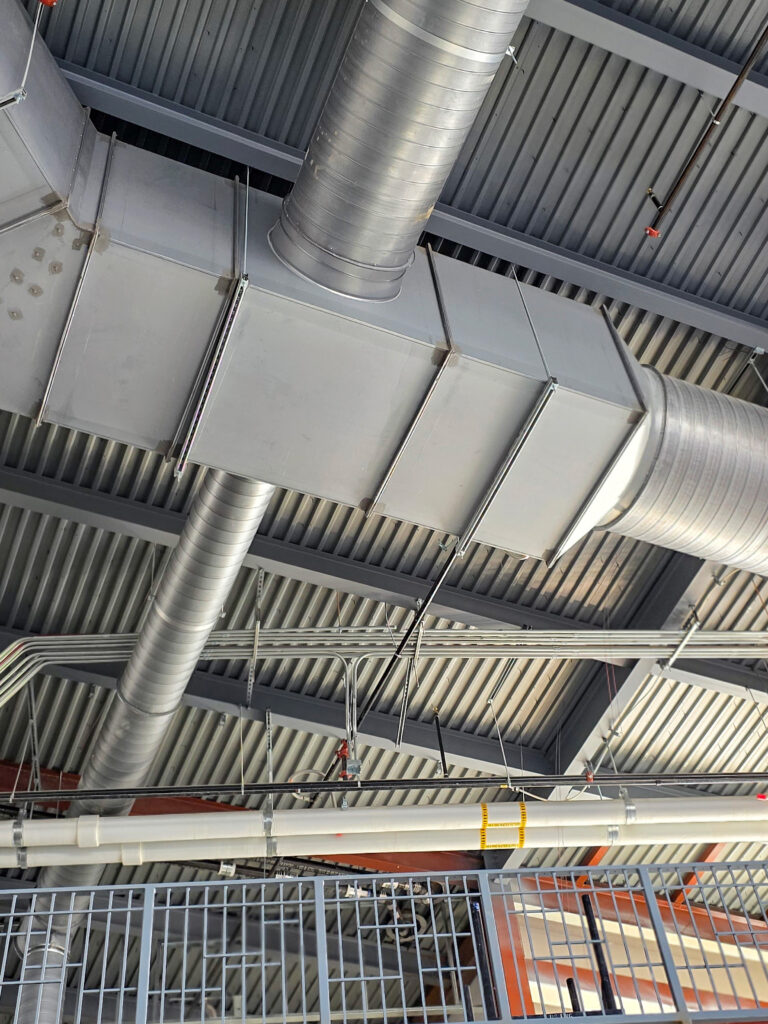
At Rocky Vista, regular internal check-ins included both project leadership and field foremen, creating visibility into what was changing, what it impacted, and what needed to happen next. That helped ensure decisions made in coordination meetings translated into execution in the field.
Design-Assist Creates the Framework
Being involved early through design-assist helps teams make better decisions upfront. It creates opportunities to influence system layout, coordinate early scopes, and plan procurement more effectively. But its long-term value often extends beyond design decisions. It gives teams the opportunity to define how they will manage evolving information before it impacts execution.
On Rocky Vista, that applied in how early scopes were broken out, how trade partners aligned on expectations, and how the team worked through additions without losing momentum.
The system didn’t fundamentally change. The process for managing change was already in place. And on complex projects, that process can be just as valuable as the design itself.