
Ryan Purdy is a Senior Project Manager at U.S. Engineering Construction.
Construction
Thought Leadership
Design-Assist is Most Valuable When the Plan Changes
April 29, 2026
Ryan Purdy

Design-assist is often framed as an early-phase service supporting pricing, coordination, and constructability. That’s true. But its real value becomes clear when a project moves in a different direction than originally planned.
Because when the system changes, the challenge isn’t just technical. It’s organizational.
A design-assist approach helps a team understand what the change means, align around the new direction, and carry it through design and construction without losing momentum.
Knowing When to Rethink the System
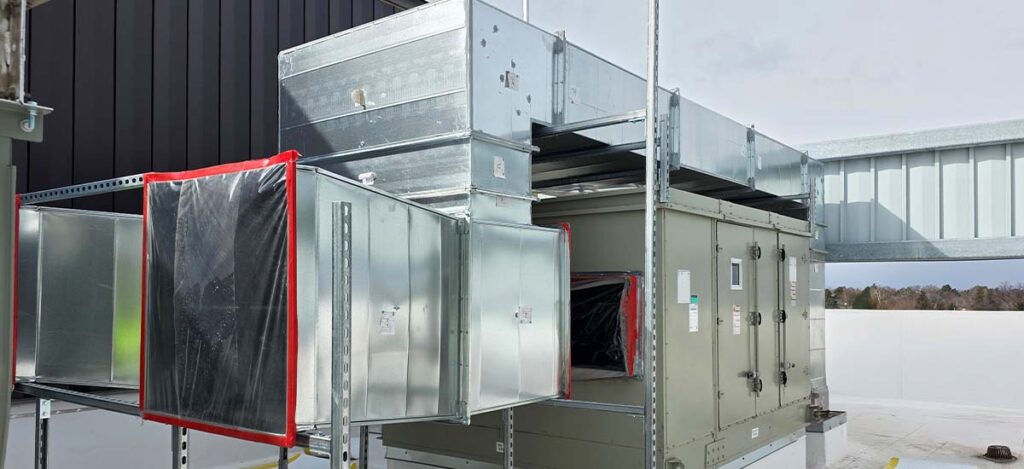
On the University of Northern Colorado’s College of Osteopathic Medicine project, the original plan was straightforward: connect to the campus’s existing chilled water and heating systems.
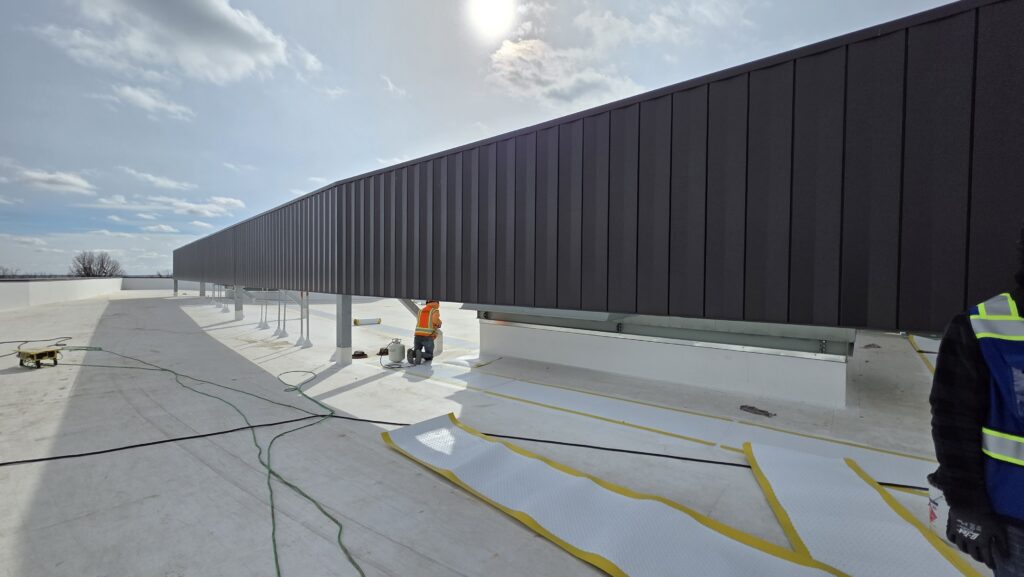
But as the design progressed and LEED Gold targets were evaluated against the project’s scorecard, it became clear the approach wouldn’t move the building far enough toward its performance goals. The issue wasn’t that the system wouldn’t work, it was that it wouldn’t contribute enough toward the outcome the project was trying to achieve.
At that point, the question wasn’t how to optimize the design. It was whether the design still made sense. That’s a different kind of conversation.
In this case, that meant evaluating a transition to a geothermal system and considering what it would take to install, how it would perform, and how available incentives could offset first costs.
Design-assist creates space for that conversation early enough to matter.
Alignment Is the Hard Part
Once the system direction changes, alignment becomes the real challenge.
A shift like geothermal doesn’t just impact design. It changes cost, expectations, and sometimes confidence in the path forward. Even when the rationale is clear, teams still need to process what those changes mean, and our role was to make that visible.
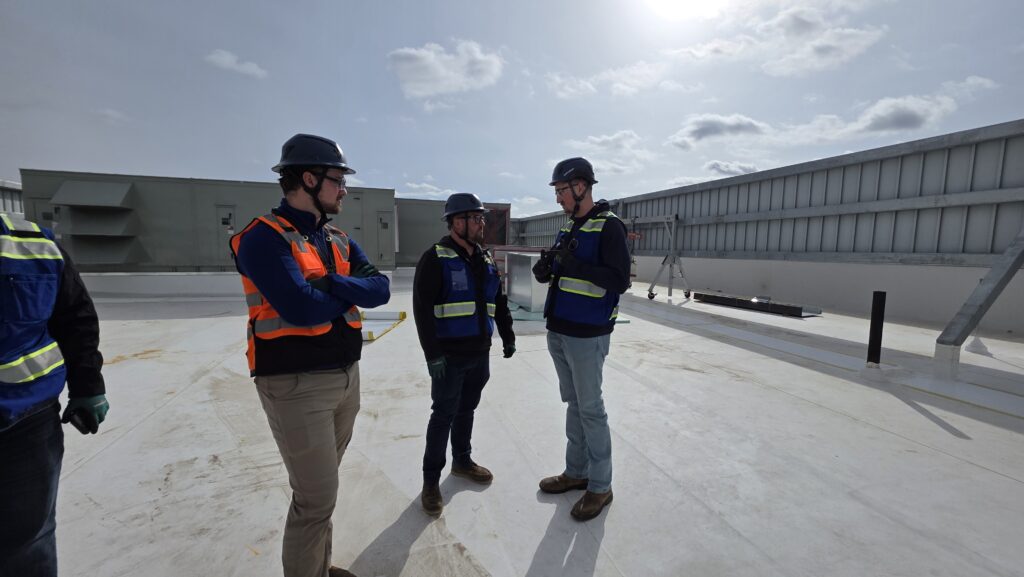
In this case, we broke down cost impacts in a way that tied directly to the system change, not just that the number moved, but what drove it. That level of clarity helps teams make informed decisions instead of reacting to incomplete information.
At the same time, we were working with a design team from outside the region. That introduced differences in code interpretation and system approach. In some cases, we aligned the design based on regional experience. In others, the design moved forward differently than we recommended. That’s part of the process.
And when that happens, design-assist shifts again, from influencing decisions to managing risk: documenting assumptions, aligning to the basis of design, and clearly defining responsibility if performance or coordination issues arise later.
Execution Still Determines Success
A well-aligned decision only matters if it can be executed in the field. That requires tight coordination between office and field teams and a willingness to rethink how the work gets done.
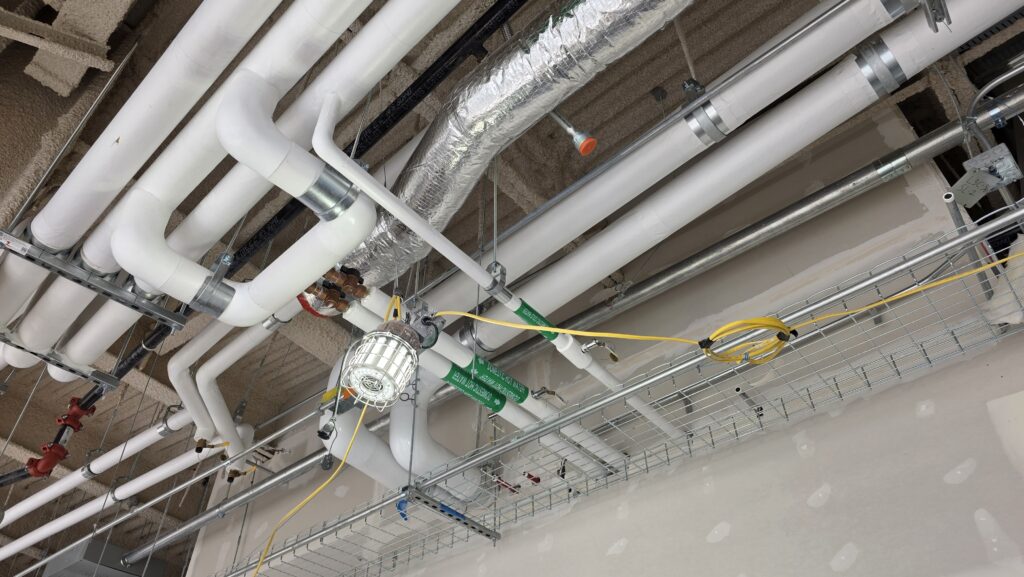
On this project, some of the biggest gains came from adjusting installation strategy. Instead of building risers within a constrained shaft, we prefabricated large sections and set them through the roof. That adjustment reduced congestion, improved safety, and kept the schedule moving in one of the most challenging areas of the building.
These aren’t just efficiency gains. They’re the result of teams staying aligned after a major design shift.
And that alignment doesn’t happen on its own. It depends on strong field leadership, clear expectations, and a team that can adapt without losing focus.
Design-Assist as a Continuity Tool
Design-assist doesn’t depend on change to be effective. But when a project does shift, the approach is ideal for helping teams remain coordinated through uncertainty.
At its best, design-assist provides continuity. It connects early decisions to final execution. It helps teams navigate change without losing sight of performance, cost, or constructability.
And ultimately, it turns a moment of disruption into an opportunity to deliver a better system.