
Dakota Nixon is a Service Tech at U.S. Engineering Service.
Service
Thought Leadership
Technical Skill Opens the Door. Trust Builds the Relationship.
July 1, 2026
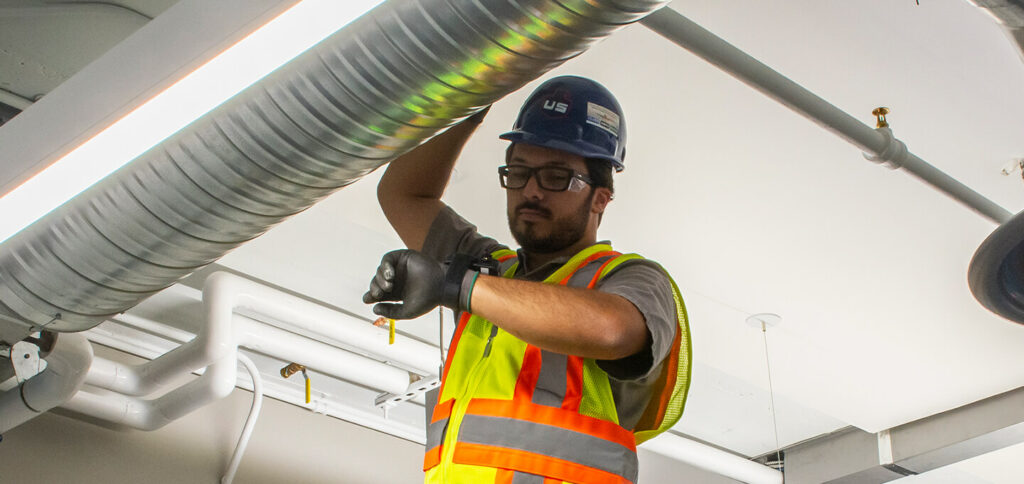
Dakota Nixon

Every service company wants long-term customer relationships. But those relationships are rarely built during contract negotiations or quarterly business reviews. They are built during hundreds of everyday interactions between service technicians and customers.
Technical expertise gets a technician through the door. Trust is what gets them return calls.
Over time, I’ve come to understand something about service work that I didn’t fully appreciate when I started: the relationship you build with a customer isn’t a byproduct of doing good technical work. It is the work.
Trust Doesn’t Develop by Accident
Service technicians carry real responsibility. We’re inside customer facilities on a regular basis. We see how buildings operate, how teams work together, and what customers actually care about. Every visit is an opportunity to strengthen a relationship or miss one.
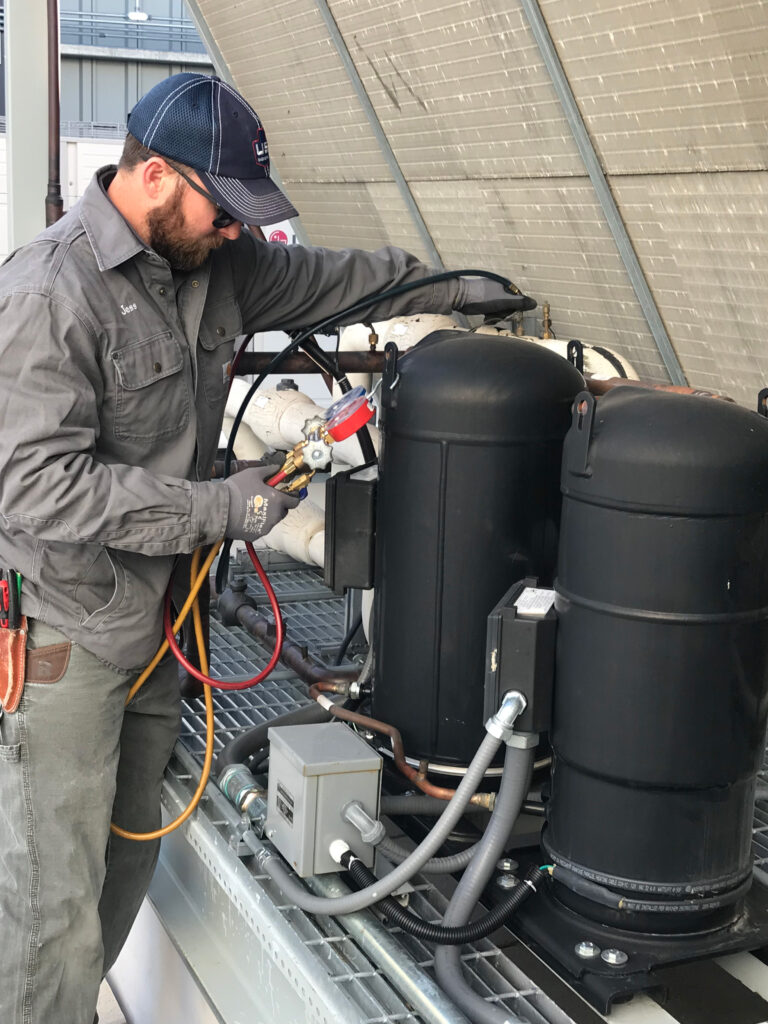
That’s why I believe technical skill is the starting point, not the finish line.
Organizations across our industry invest heavily in technical training, and they should. But relationship-building deserves the same level of attention. Customers remember whether you communicated honestly, followed through on your commitments, and treated their facility like it mattered.
At U.S. Engineering Service, I’ve seen how intentional investment in people shapes those interactions.
Mentorship isn’t reserved for apprentices or new hires. It extends across every level of the organization, from journeymen to dispatch, billing, and office staff. That broader understanding helps every Team Member see how their work contributes to the customer experience.
Our leaders create opportunities to learn, provide regular feedback, and encourage us to keep developing both our technical skills and our ability to build relationships. The message is consistent: how we engage with customers matters just as much as what we fix.
In addition to producing better technicians, our goal is to develop people who take ownership, communicate with confidence, and earn trust over time.
Relationships Are Built Between Service Calls
I’ve been servicing Millwood Golf and Racquet Club in Springfield, Missouri, for about nine months. My responsibilities are straightforward: preventative maintenance on their equipment. By most measures, it’s a routine account.
About six months into that relationship, the owner, Chad, had my phone number saved. If he had a question about his facility, he’d call me directly because he trusted I’d give him an honest answer.
That didn’t happen because I completed a maintenance checklist correctly. That’s expected.
It happened because I tried to approach every visit the same way. I communicated openly. I treated their facility with genuine care. I paid attention to who they are as a company, not just the equipment I was servicing.
Millwood is the kind of organization that values relationships, too. They invest in their community and in the people around them. During the holidays, they hosted our U.S. Engineering Service team’s Christmas party. Their owners spent time talking with our Team Members and making everyone feel genuinely welcome.
That wasn’t the result of a single service call. It reflected a relationship both organizations had invested in over time.
Customers experience a company through the people who walk into their buildings every day. When those people consistently bring honesty, professionalism, and genuine care, the relationship becomes something a contract alone could never create.
People Development Becomes Customer Value
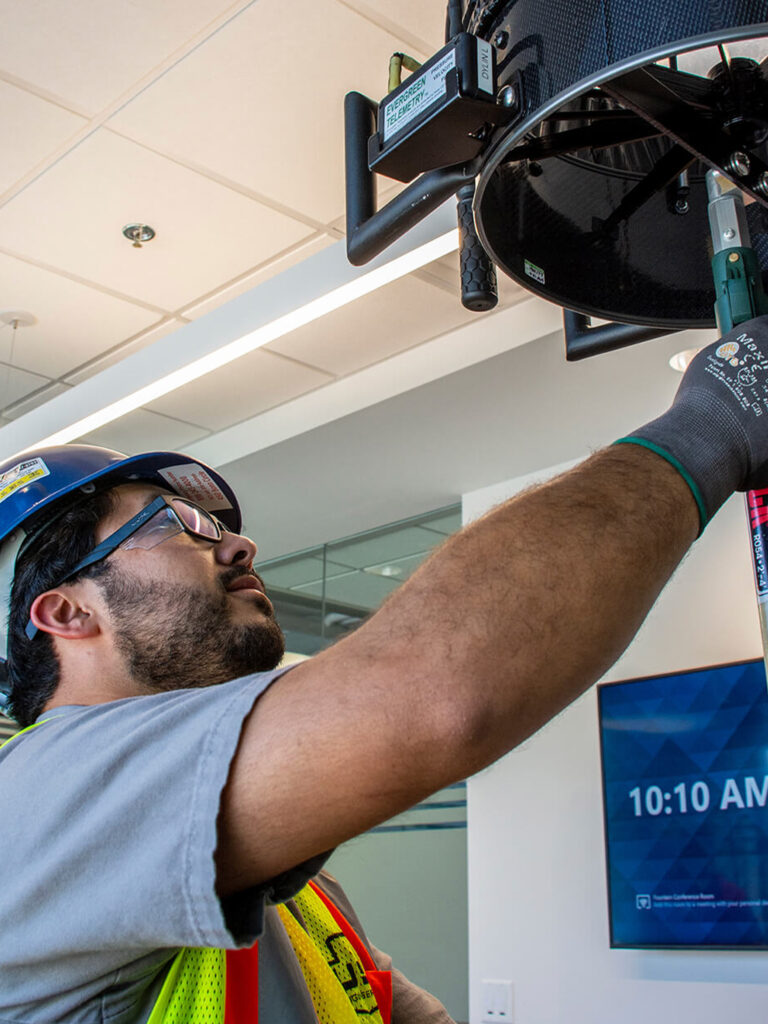
One of U.S. Engineering’s Core Values is to listen, identify, and respond to customer needs. That responsibility doesn’t belong only to leadership or account managers. It belongs to every Team Member who interacts with a customer.
When an organization develops the whole person instead of focusing only on technical ability, those values become part of how people naturally approach their work. Building trust stops feeling like another responsibility and becomes part of the job itself.
The relationship I’ve built with Millwood is only one example, but it reflects a broader belief that’s shaped my experience in service.
Service organizations measure response times, completion rates, and technical performance, and those metrics matter. But the relationships customers remember are built in the conversations between service calls, the honest recommendations, and the confidence that the person walking through the door genuinely cares about their success.
When companies invest in developing technicians as people, not just tradespeople, they create something more valuable than completed work orders. They create trusted advisors.
And over time, trusted advisors become the foundation of lasting customer partnerships.