
Katie Cortis is a Senior Project Manager at U.S. Engineering Innovations.
Featured
Innovations
Six DfMA Challenges & How to Avoid Them
March 11, 2026

Katie Cortis

Design for Manufacturing and Assembly (DfMA) transforms mechanical construction by shifting key decisions into the design phase and applying lean manufacturing principles through fabrication. This approach accelerates schedules, raises quality, and delivers systems that perform well from day one. When teams adopt DfMA early, they build with more precision, less waste, and greater reliability.
DfMA is not simple. The process introduces new expectations for coordination, modeling, and planning, and teams often encounter hurdles the first time they use it. This article outlines the most common challenges DfMA teams face and offers practical guidance on how to avoid them.
1. Early Commitment Is Essential
The Challenge
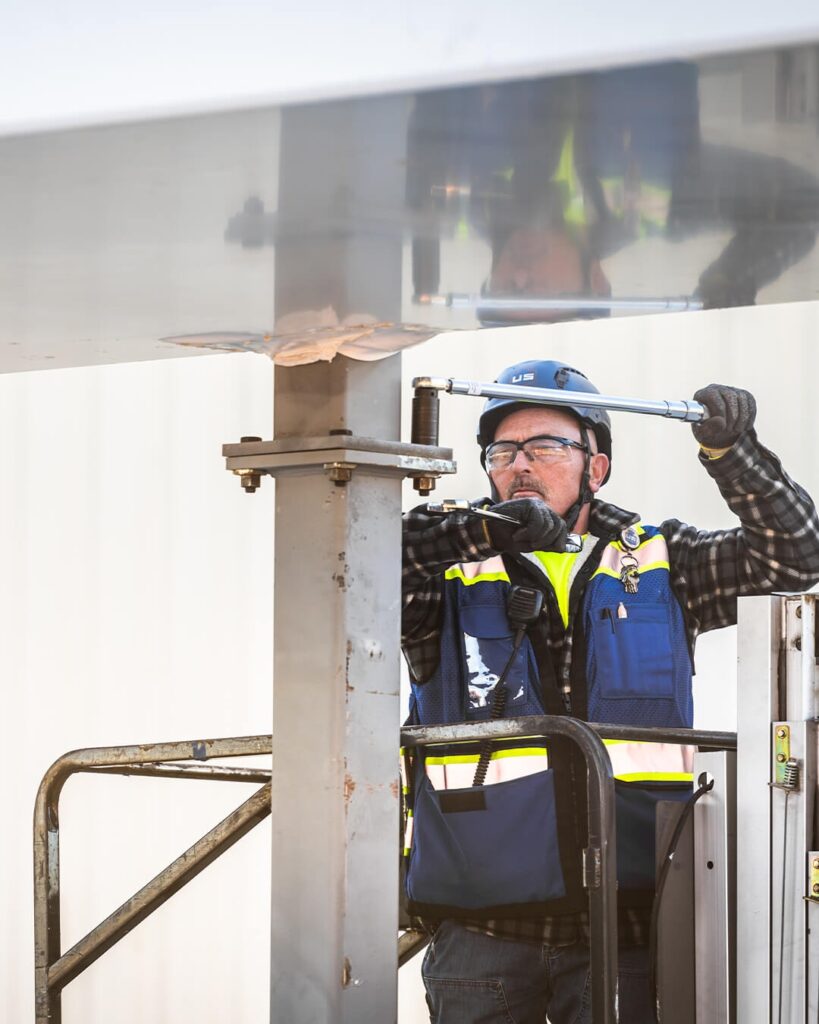
DfMA accomplishes its benefits only when major decisions happen during design. And the best outcomes result from early input from all Team Members on the project, including Field Team Members. DfMA reconfigures the process of key decision making. For example, in traditional approaches, teams can save some critical decisions for the field portion of the project. That approach does not align with DfMA’s requirement to plan and coordinate manufacturing.
How to Avoid It
Secure early alignment among owners, designers, general contractors, and trade partners. DfMA milestones must be properly scheduled – more time is invested in front-end design and hours are shifted offsite into a manufacturing space. Fabricated components are installed at a fraction of the hours of traditional stick-built construction. DfMA components should function as critical path milestones that don’t shift. This clarity keeps fabrication, delivery, and installation predictable.
2. Managing the Learning Curve
The Challenge
Traditional construction teams might be unfamiliar with manufacturing workflows, high-level BIM models (LOD 450+), or the model-first coordination required for DfMA. The transition from field-driven decisions to design-driven manufacturing workflows can feel steep.
How to Avoid It
Start small! Identify one project area that would benefit from a DfMA approach—a utility chase, a portion of a central utility plant, or another repeatable component—and focus your efforts there. Invest in targeted training and pilot initiatives that build competency and establish clear workflows for that specific scope.
As those workflows take shape, elevate the Level of Development in the BIM model to match the precision required for manufacturing. Involve manufacturing and installation stakeholders early in the design phase to create a smoother transition from design to fabrication and install.
Once these processes are established, future projects ramp up faster and deliver more consistent, predictable outcomes.
3. Upfront Design Effort Can Feel Heavy
The Challenge
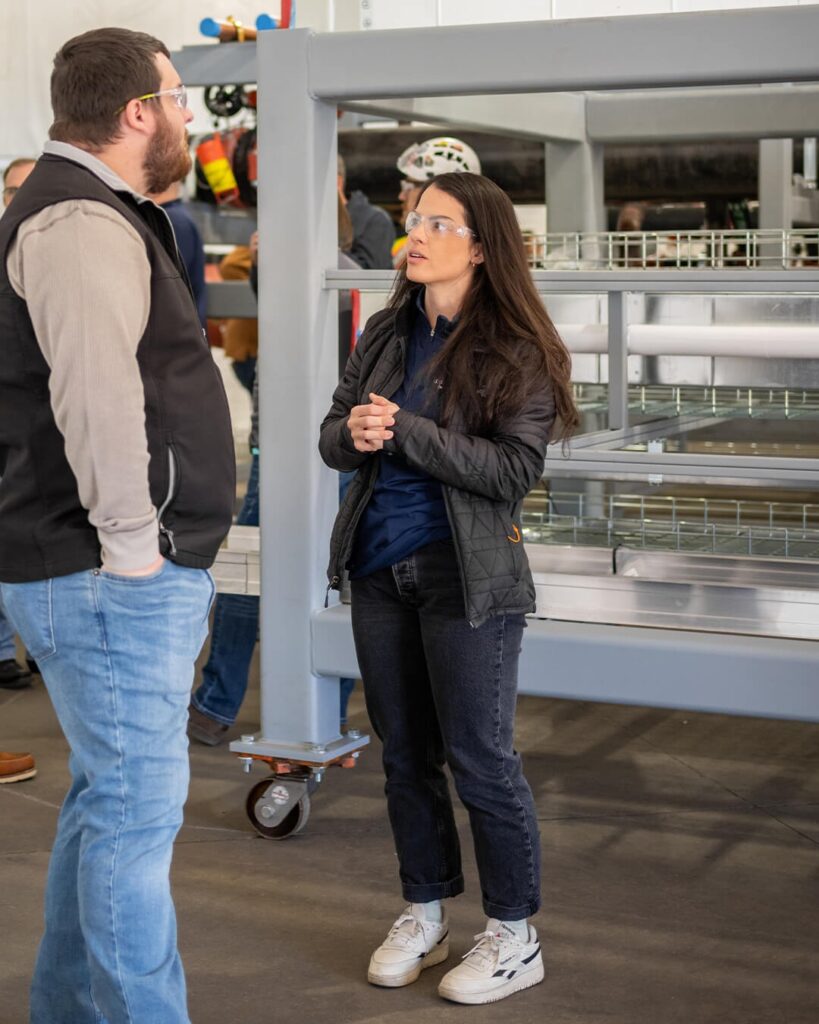
DfMA demands detailed coordination and standardization early in the project. Teams accustomed to deferring decisions may view this as increased upfront cost or complexity.
How to Avoid It
Emphasize the value of DfMA early and clearly. At its core, DfMA requires a complete, coordinated plan before construction begins. While that level of detail can feel like added upfront cost or complexity, the return becomes clear when you compare the investment in design to the field hours saved, the reduction in changes, and the lower likelihood of rework.
By shifting effort upstream, DfMA reduces onsite labor demands, creates a more predictable path to installation, and improves jobsite safety. The investment may occur earlier in the project lifecycle, but it pays dividends once construction is underway.
4. Schedule Resequencing Creates Pressure
The Challenge
DfMA depends on a fixed manufacturing and delivery sequence. When trades or the general contractors attempt to shift their milestones, the fabrication and installation rhythm is placed at risk.
How to Avoid It
Provide the DfMA plan early and ensure all trade partners understand it. When framing, fire suppression, electrical, or other teams adjust their schedules, the DfMA sequence should stay intact. Protecting the plan keeps production moving and prevents disruptions during installation.
5. Supply Chain and Logistics Risks
The Challenge
Manufacturing relies on precise delivery and consistent fabrication workflows. Disruption related to material availability, transportation, or production throughput can affect the entire project.
How to Avoid It
Use manufacturing risk tools such as DFMEA and PFMEA to map risks early. Identify single points of failure, secure secondary suppliers when possible, and create a logistics plan that covers the full path from fabrication to final installation. This preparation strengthens project resilience and supports more efficient and sustainable delivery.
6. Cultural Resistance to Change
The Challenge
Teams rooted in traditional stick-build methods may struggle to adopt DfMA. Resistance often stems from habit, uncertainty, or discomfort with new workflows even when performance improvements are clear.
How to Avoid It
Start with leadership alignment and clear proof points. When leaders are unified around the value of DfMA, it becomes easier to guide teams through new expectations and workflows.
From there, build a cross-functional team that includes input from design, manufacturing, and field stakeholders. Early collaboration reinforces shared ownership and ensures the approach is practical from concept through installation.
Support the shift with tangible results. Share examples of projects that required fewer field hours, delivered higher quality, and reached turnover sooner. Then select the right pilot project—ideally one with repeatable design elements, labor challenges, or a compressed schedule—where the advantages of DfMA can be clearly demonstrated.
Once teams experience the benefits firsthand, adoption becomes far more natural.
What Does Success Look Like?
DfMA succeeds when teams prepare for its unique demands. It requires early commitment, the willingness to learn new processes, and the discipline to invest in detailed design efforts. It also depends on protecting the established sequence, managing supply chain risks with care, and helping teams move past traditional stick build habits.
When project partners recognize and address these challenges, they create a path to more predictable schedules, safer installation, and mechanical systems that perform at a high level from the start.
At U.S. Engineering Innovations, we work alongside you to support that process and help your project realize the full value of DfMA.